
 |
|
|
|
|
|
|
|
|
|
|
|
|
|
|
|
|
|
|
 |
 |
|
||||||||||||||||
 |
 |
 |
 |
 |
 |
 |
 |
 |
 |
 |
 |
 |
 |
 |
 |
 |
|
|
 |
|
|||||||||||||||||
 |
 |
 |
 |
 |
 |
|
||||||||||||
 |
|
|||||||||||||||||
 |
|
|||||||||||||||||
 The telescope, measurement of time and longitude
6.1 - The astronomical methods of the past
 |
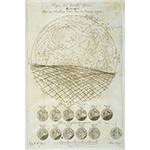 |
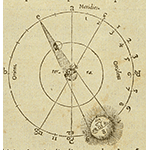
Up to the 17th century, astronomers attempting to record the time of their observations were hindered by the evidence that mechanical clocks, no matter how well made, accumulated errors of many minutes each day.
Since an error of one minute meant an error of a quarter of a degree in longitude (approximately 25 km at the equator), it is understandable that astronomical methods remained the only valid ones for centuries. The most widely used consisted of determining the peak moment of a lunar eclipse, observable in the same way from every place within a terrestrial hemisphere. If two astronomers compared their recordings, they could determine the difference in local time between their cities. From this difference they could then calculate the difference in longitude that separated them. But the rarity of eclipses made this method useful for geographers, but not for navigators.
| ©IMSS 2008 P.zza dei Giudici 1 50122 Florence P.I. 01346820481 |
